
Understanding the psychology of casino players What drives their behavior
The Thrill of Risk and Reward
The psychology behind casino players often revolves around the thrill associated with risk-taking. Many individuals are drawn to gambling because it provides a unique blend of excitement and unpredictability. The anticipation of winning can be intoxicating, as the brain releases dopamine—a neurotransmitter that plays a major role in the pleasure and reward system. This can create a cycle of behavior where players continue to engage in gambling activities in pursuit of that euphoric feeling, often ignoring potential losses along the way. Recently, many enthusiasts have turned to playid as a means to manage their funds while indulging in these thrilling experiences.
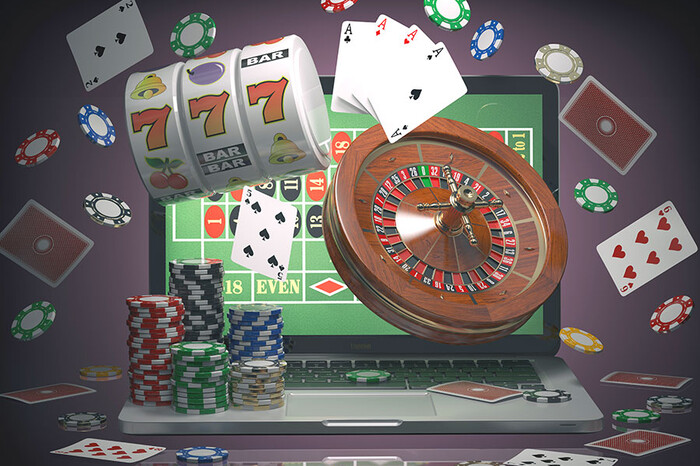
Moreover, this desire for risk can be linked to a personality trait known as “sensation-seeking.” Individuals who possess higher levels of this trait are more likely to seek out thrilling experiences, including gambling. They often find traditional activities mundane and seek the adrenaline rush that comes with playing games of chance. As a result, casinos often tailor their environments to amplify these sensations, with bright lights, loud sounds, and a general atmosphere of excitement that further entices players to engage in gambling.
This thrill-seeking behavior can also lead to cognitive biases where players believe they can influence outcomes. This phenomenon, known as the “illusion of control,” leads some players to think they can predict the next card or roll of the dice, heightening their engagement and making them less likely to recognize the randomness of the games. As such, the thrill of risk and reward keeps players returning, often leading them into cycles of gambling that can be hard to break.
Emotional Investment and Identity
The emotional investment in gambling plays a significant role in player behavior. For many, gambling is not merely a pastime but an integral part of their identity. Players often develop emotional attachments to specific games, rituals, or even their favorite casinos, which can create a sense of belonging and community. This emotional investment can be powerful; when players experience wins, the high can be exhilarating, but losses can lead to frustration and sadness, which sometimes drives them to gamble even more in hopes of recovering their losses.
This emotional rollercoaster can be exacerbated by the phenomenon known as “loss aversion,” where individuals prefer to avoid losses rather than acquiring equivalent gains. In gambling contexts, this can manifest as chasing losses, where players continue to bet in an attempt to recover lost money. This behavior is deeply rooted in emotional psychology, as losses can trigger feelings of inadequacy or failure, compelling players to invest further time and money into gambling, often against their better judgment.
Furthermore, many players establish personal narratives around their gambling experiences. They may construct stories of past victories to justify continued play, while also underplaying their losses. This narrative creation not only reinforces their desire to gamble but also helps them cope with the risks involved. Understanding this emotional investment reveals why many individuals find it hard to disengage from gambling, as it becomes intertwined with their self-identity and social connections.
The Role of Environment and Social Influence
The environment in which gambling occurs heavily influences player behavior. Casinos are meticulously designed to create an atmosphere conducive to play, often employing psychological tactics to keep players engaged. Elements such as the absence of clocks, the use of intoxicating scents, and the constant flow of drinks are all strategies intended to maximize time spent in the establishment. This sensory overload can lead to disorientation and compel players to lose track of both time and money.
Moreover, the social context surrounding gambling plays a crucial role in shaping behavior. Many players are drawn to the communal aspect of gaming, whether through social interaction with other players or through the shared experience of winning or losing. The camaraderie developed within gambling environments can create a sense of loyalty to particular games or venues. Additionally, the social norms within these spaces can lead to peer pressure, where players may feel compelled to continue gambling to fit in or meet the expectations of friends.
The impact of social media and online platforms has also transformed gambling behavior. Online casinos and gambling forums allow players to share their experiences, tips, and strategies, further enhancing their emotional connection to gambling. This interconnectedness can lead to increased participation, as players find encouragement and validation through their virtual communities. Understanding these environmental and social influences is vital for recognizing the factors that drive casino players’ behavior and their gambling choices.
Psychological Traps and Addictive Behaviors
Certain psychological traps can ensnare players, leading to compulsive gambling behaviors. One common trap is the “near miss” phenomenon, where players come close to winning but ultimately do not. This experience can create a false sense of hope, driving individuals to gamble more in search of that elusive win. The brain interprets these near misses as encouragement, leading players to believe that they are on the cusp of success, perpetuating a cycle of increased betting.
Addiction to gambling often has its roots in these psychological traps, compounded by other underlying issues such as anxiety, depression, or low self-esteem. The temporary escape that gambling offers can make it appealing for individuals seeking to cope with life’s challenges. Over time, this reliance can evolve into a full-blown addiction, where the individual becomes more focused on gambling than other aspects of their life. Recognizing these psychological traps is crucial for those seeking to help individuals struggling with gambling addiction.
Moreover, treatment options such as cognitive-behavioral therapy have shown promise in helping individuals address their gambling habits. By understanding the mental processes that contribute to their behavior, players can begin to make more informed choices about their gambling activities. Education about responsible gambling practices also plays a crucial role in preventing addiction and encouraging healthier relationships with gambling.

Enhancing the Gaming Experience with PlayID
Understanding the psychology of casino players can lead to a more informed and responsible approach to gambling. Platforms like playid Canada provide a solution that caters to the needs of online gaming enthusiasts by offering secure and efficient transactions. By acting as an intermediary between players and their favorite gaming sites, PlayID enhances the overall gaming experience while ensuring user privacy and convenience.
With features designed to simplify account management, PlayID allows players to focus on enjoying their gaming experience rather than worrying about financial transactions. The ability to make fast deposits and instant withdrawals not only streamlines the process but also minimizes the cognitive load on players, allowing them to engage more fully in the gaming experience. As players navigate the world of iGaming, having a reliable platform like PlayID can foster responsible gambling by keeping finances organized and accessible.
Ultimately, understanding the psychology of casino players is essential for promoting a healthy gaming environment. By leveraging tools like PlayID, players can focus on enjoyment and responsible gambling, minimizing the risks associated with excessive gambling while maximizing their overall experience in the exciting world of online casinos.
Leave a Reply