
The Influence of Layout on Player Behavior
The layout of a casino is meticulously designed to influence player behavior and maximize engagement. The open spaces and strategic placement of gaming tables and machines encourage movement and exploration. Studies show that when players feel a sense of freedom to roam, they tend to spend more time and money, especially when checking the latest nrl betting odds that can enhance their gaming decisions. This approach promotes an immersive experience, as players often become engrossed in the vibrant atmosphere created by well-planned layouts.
Moreover, the placement of high-stakes games near entry points draws in more players who are curious about the allure of potential large winnings. It creates a psychological pull that entices casual visitors to explore further. Additionally, grouping slot machines together can create a sense of community and excitement. The buzz from nearby players can encourage you to join in, reinforcing a sense of social interaction that many participants seek in casino environments.
Another important aspect of layout is the use of pathways that are designed to guide movement subtly. These pathways often lead players through various sections of a casino, exposing them to different games. This strategic navigation keeps players engaged by constantly directing them toward new experiences. By utilizing a combination of open space and structured navigation, casinos create an environment that fosters prolonged visits and increased expenditure.
The Role of Lighting and Ambience
Lighting plays a crucial role in casino design, serving not only aesthetic purposes but also psychological functions. Casinos often implement dim, flattering lighting to create a sense of intimacy and excitement. By minimizing harsh light, casinos enhance focus on games and create a cozy atmosphere that encourages prolonged stays. This form of environmental control is designed to make players feel relaxed yet alert, promoting a state of heightened awareness while they play.
The use of bright, colorful lights is also prevalent, especially around slot machines. These lights are designed to grab attention and create a carnival-like atmosphere that stimulates excitement. The flashing lights and sounds of victory provide a sensory overload that reinforces the thrill of winning. This sensory engagement can enhance player satisfaction and encourage them to return, as positive associations with the environment link to their overall experience.
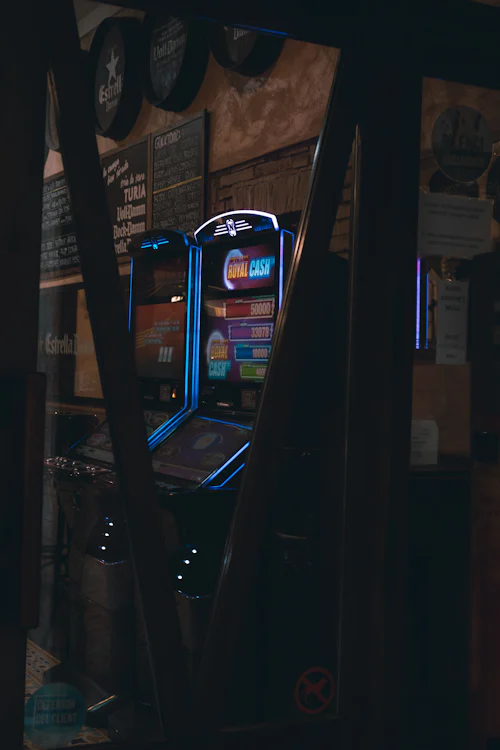
Another aspect of ambience is the incorporation of music, which can significantly influence player emotions. Casinos often use carefully curated playlists to create an exhilarating atmosphere. Upbeat tempos can increase player energy levels, encouraging longer play sessions. Conversely, slower music might be used in areas where relaxation is desired, allowing players to enjoy a more subdued experience. This thoughtful selection of audio elements complements the visual stimulation, creating a holistic environment geared toward maximizing player engagement.
The Psychological Impact of Color Schemes
The choice of colors in a casino’s design is another pivotal element that can influence player behavior and emotions. Different colors evoke different psychological responses; for instance, reds and yellows are often associated with excitement and energy, while blues and greens can create feelings of calmness and trust. Casinos frequently utilize warm colors to stimulate excitement and encourage gambling behaviors, invigorating players to engage with the games.
Additionally, color schemes can establish an emotional tone that resonates with the casino’s brand identity. For example, a luxurious casino might favor rich, darker colors that convey sophistication and exclusivity. This choice appeals to high rollers who seek a high-status environment. By aligning color choices with their target demographics, casinos can foster an emotional connection, impacting players’ desire to return.
The psychological effects of color can further extend to the marketing of specific games. Bright and vibrant colors may be utilized to highlight new machines or special games, drawing players in and sparking their curiosity. This strategic use of color not only enhances the visual appeal but also creates a compelling narrative around the gaming experience, further encouraging participation and investment.
Gamification and Incentives within Casino Design
Many casinos employ gamification strategies to deepen player engagement and loyalty. By incorporating elements like rewards programs and interactive experiences, casinos create an environment where players are motivated to participate actively. For example, loyalty programs that offer points for playing can lead players to stay longer to collect rewards, fostering a sense of competition and achievement. This psychological incentive encourages players to return, as they feel a connection to the gaming ecosystem.

Interactive elements, such as branded app integrations that enhance the in-casino experience, further cement this relationship. Players are often drawn to competitive leaderboards or exclusive bonuses for frequent play, tapping into their desire for recognition and achievement. This gamified approach not only enhances player satisfaction but also serves as a strategic marketing tool for casinos to boost retention rates.
Moreover, the integration of technology into the gaming experience, such as augmented reality or skill-based games, adds layers to player engagement. These innovations attract younger audiences who seek more than traditional gaming experiences. By continually evolving the way games are presented and experienced, casinos can maintain relevance and keep players intrigued, demonstrating an acute understanding of the psychological factors that drive engagement.
Understanding the Digital Shift in Casino Design
As the digital landscape evolves, casino design has adapted to incorporate online gaming elements. This shift requires a comprehensive understanding of player psychology to create an engaging online experience that mirrors the thrill of physical casinos. Virtual casinos aim to evoke similar sensory experiences through high-quality graphics, immersive audio, and engaging interactive features, ensuring that players feel a part of a communal gaming environment.
The challenge for online casinos lies in replicating the stimulating, sensory-rich atmosphere of physical venues. Many online platforms focus on offering social features, such as live dealer games, to bridge the gap between digital convenience and the social aspect of gambling. By integrating chat functions or live interactions, these platforms can foster a sense of community, enhancing the player’s emotional connection.
Moreover, the use of personalized gaming features helps tailor the experience to individual preferences, which is a crucial element in maintaining player interest. By analyzing user data, online casinos can provide customized recommendations and rewards that resonate with each player’s unique psychology, thus improving engagement. As the online gaming sector continues to expand, understanding these psychological dynamics will be key to successful designs that keep players coming back.